The Shaw Speed Test is a diagnostic tool provided by Shaw Communications Inc., a prominent Canadian telecommunications company. It is designed to measure the speed of your internet connection by calculating the time it takes to upload and download data from the internet.
- Measure upload and download speeds: Quickly assess how fast data moves to and from your device.
- Check connection quality: Determine the stability and quality of your internet connection.
- Identify potential issues: Help in diagnosing problems with your internet speed.
The Shaw Speed Test is an essential utility for Shaw customers to ensure their internet service performs at its best. It’s a straightforward way to check the performance of your home network and take steps to improve it if necessary.
Provided by shaw-Speed-test.ca
How Does Shaw Speed Test Work?
The Shaw Speed Test measures your internet connection’s performance by sending a small amount of data to your device and then back to its servers. This process evaluates three key metrics: download speed, upload speed, and latency.
- Download Speed: Determines how quickly data can be downloaded from the internet to your device.
- Upload Speed: Measures the speed at which data is sent from your device to the internet.
- Latency: Assesses the time it takes for data to travel to the server and back, also known as ping.
The test is designed to be quick and user-friendly, providing a snapshot of your current internet speeds. It’s a useful tool for comparing the performance of your internet plan with the offerings from Shaw.
Running the test is straightforward. Simply visit the Shaw Speed Test website, and with a single click, the test begins. No personal information is required, and the results are presented in an easy-to-understand format. Remember to close any unnecessary applications to ensure the accuracy of the test.
Interpreting Your Test Results
After running the Shaw Speed Test, you’ll be presented with several metrics that reflect the quality of your internet connection. These results are crucial for understanding whether your internet service is performing as expected.
- Download Speed: This measures how quickly data is transferred from the internet to your device. It’s essential for activities like streaming and downloading files.
- Upload Speed: This indicates the speed at which data is sent from your device to the internet, important for uploading content and video conferencing.
- Ping: Often referred to as latency, ping measures the responsiveness of your connection, which affects online gaming and real-time applications.
Remember, these tests gauge the performance of your current connection and can help confirm if the speeds you’re paying for are being delivered. Regular testing can alert you to any changes in performance that may require troubleshooting or a discussion with your ISP.
Optimizing Your Home Network for Accurate Testing
The Importance of a Stable Connection
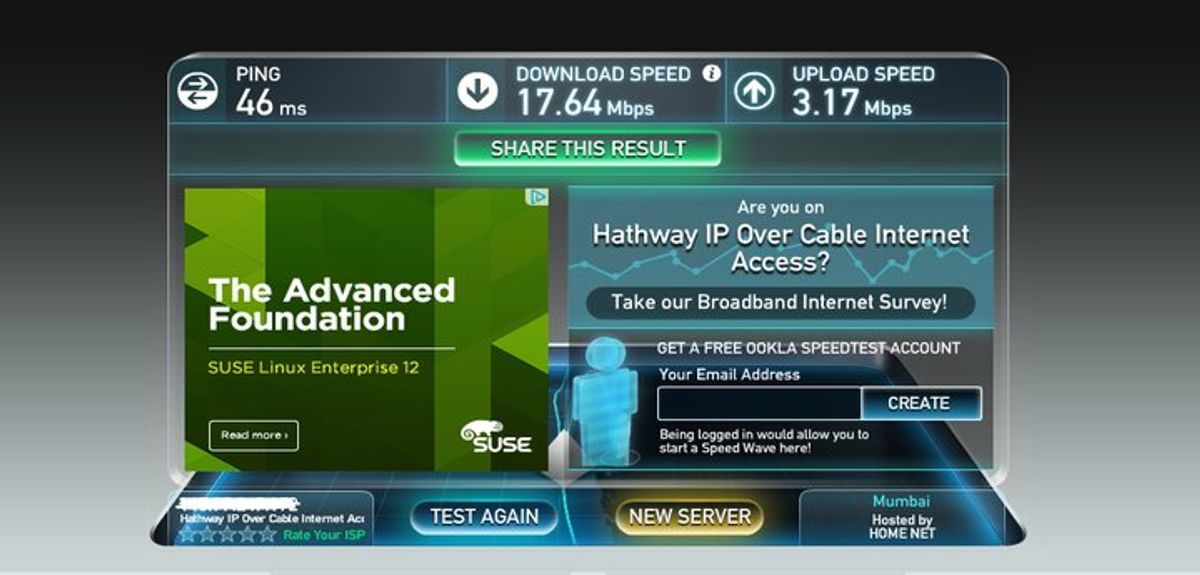
Achieving a stable connection is crucial when conducting an internet speed test. Variations in connectivity can lead to inconsistent results, making it difficult to determine your true internet speed. To ensure accuracy, consider the following steps:
- Minimize the number of devices connected to your network during the test.
- Avoid running bandwidth-intensive applications, such as streaming services or large downloads.
- Perform the test at different times of day to account for peak internet traffic periods.
A stable connection reflects the most accurate measure of your internet performance, providing a reliable baseline for any adjustments or improvements.
Remember, external factors such as environmental conditions, network complexity, and the quality of your client device can all impact the stability of your connection. By controlling these variables as much as possible, you can obtain a clearer picture of your internet’s capabilities.
Eliminating Interference and Network Congestion
To ensure the accuracy of your Shaw Speed Test, it’s crucial to minimize interference and network congestion. These factors can significantly affect the test results by causing delays and disruptions in data transmission.
- Position your router in a central location, away from walls and obstructions.
- Limit the number of active devices connected to your network during the test.
- Disconnect VPNs and pause any large downloads or streaming services.
- Use a wired connection if possible, as this can provide a more stable and interference-free test environment.
By taking these steps, you can create a more controlled environment that is conducive to accurate speed testing.
Remember that while no single speed test is entirely accurate, reducing interference and congestion can help you get a clearer picture of your internet performance. For best results, consider running multiple tests at different times of the day.
Best Practices for Running a Speed Test
To ensure the accuracy of your Shaw Speed Test results, follow these best practices:
- Connect your device directly to your modem using an Ethernet cable to eliminate variables that can affect the test, such as wireless interference.
- Close all unnecessary applications and devices that may use the internet to prevent them from skewing the results.
- Perform multiple tests at different times of the day to account for potential network congestion during peak hours.
Running a speed test during off-peak hours can often provide a more accurate assessment of your internet speed.
Remember, the goal is to create a testing environment that is as controlled as possible. This includes minimizing the number of active devices on the network and ensuring that no large downloads or uploads are taking place during the test.
Analyzing Internet Performance Issues
Common Causes of Slow Internet Speeds
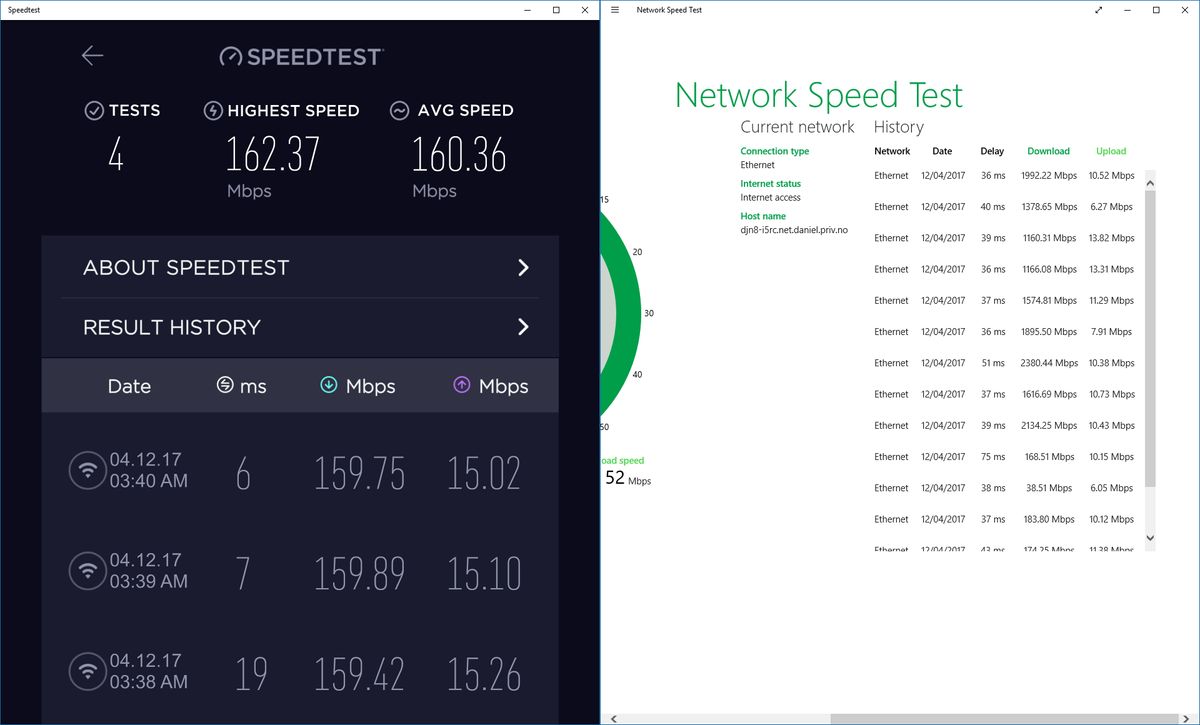
Experiencing slow internet speeds can be frustrating, and understanding the common causes is the first step towards resolving the issue. Here are some factors that might be affecting your internet performance:
- More connected devices can lead to network congestion, resulting in slower speeds for all devices.
- Inadequate security measures may leave your network vulnerable to cybercrimes, which can also degrade performance.
- Outdated hardware or firmware can limit your internet speed potential.
- ISP-related issues such as network outages or throttling can affect your connection.
- Environmental factors like the distance from the router or physical obstructions can weaken WiFi signals.
It’s important to regularly check these factors and take corrective actions to ensure optimal internet performance.
By identifying and addressing these common culprits, you can improve your internet experience and enjoy the benefits of a fast and reliable connection.
Troubleshooting Connectivity Problems
When you encounter connectivity issues, it’s essential to methodically troubleshoot the problem to identify and resolve the underlying cause. Start by checking if your device is properly connected to the network. If you’re using a wireless connection, ensure that you’re within a reasonable range of the router and that there are no physical obstructions causing interference.
- For Windows 10, navigate to Start > Settings > Update & Security > Troubleshoot, and then select the troubleshooter for Internet Connections.
- Restart your modem and router by unplugging them for about 30 seconds and then plugging them back in.
- Check for any service outages in your area that might be affecting your connection.
- Ensure that your network drivers are up to date, as outdated drivers can lead to connectivity issues.
If the problem persists after these initial steps, consider running a network diagnostic tool or contacting your Internet Service Provider for further assistance.
When to Contact Your Internet Service Provider?
After troubleshooting your home network and conducting multiple speed tests, if you continue to experience consistently slow speeds, it may be time to contact your Internet Service Provider (ISP). Here are some scenarios when reaching out to your ISP is advisable:
- Persistent low speeds despite following optimization guidelines
- Frequent disconnections or service interruptions
- Speeds not matching the promised bandwidth of your internet plan
- Unresolved issues after following troubleshooting steps from online resources
Remember, your ISP can provide insights into network-wide issues, perform remote diagnostics, and offer solutions that may not be apparent through self-help methods.
If you suspect that the issue lies beyond your home setup, such as with the infrastructure or service provided by the ISP, do not hesitate to get in touch with their customer support. They can help clarify whether the problem is on their end and what steps they can take to resolve it. In some cases, they may need to send a technician to your location or guide you through additional steps to improve your connection.
Improving Your Internet Speed
WiFi Amplifier vs Mesh Network: Which to Choose?
When it comes to enhancing your home WiFi coverage, you’re likely to encounter two main options: WiFi amplifiers (also known as range extenders) and mesh networks. Understanding the differences between these technologies is crucial for making an informed decision.
- WiFi Amplifiers: These devices work by boosting the existing signal from your router. They are generally less expensive, with costs ranging from $50-$80 for top models. However, they may require multiple network names and passwords, which can complicate your WiFi experience.
- Mesh Networks: Mesh systems, on the other hand, are designed to provide seamless coverage across your home. They can be more costly, with premium systems ranging from $200-$500, and additional nodes may add $100-$200 to the total price. Despite the higher initial investment, mesh networks offer a single network name and password, making for a more stable and user-friendly WiFi environment.
Choosing between a WiFi amplifier and a mesh network often comes down to balancing cost against performance and convenience. If you’re facing dead zones or slow connections, a mesh network might be the better solution, despite the higher cost. For smaller spaces or fewer connectivity issues, a WiFi amplifier could suffice.
Upgrading Your Internet Plan
When your current internet service no longer meets your needs, it’s time to consider upgrading your internet plan. Shaw offers a variety of packages to cater to different usage requirements and budgets. Here’s how to approach an upgrade:
- Evaluate your current internet usage and determine if you frequently exceed your plan’s limits.
- Compare the available Shaw internet packages, such as Fibre+ Basics, Essentials, and Max, to find one that aligns with your needs.
- Consider the long-term costs, as some discounts may expire after a set period, potentially increasing your bill.
Upgrading your plan can provide a significant boost in download speed and overall internet performance, ensuring that you can enjoy seamless streaming, gaming, and browsing without interruptions.
Remember to review the terms of service and any bundled offers, as these can influence the overall value of your plan. Upgrading is a straightforward process that can be done online or by contacting Shaw’s customer service.
Hardware Considerations for Enhanced Performance
When aiming to boost your internet speed, hardware upgrades can be a game-changer. Start by evaluating your current setup and consider the following enhancements:
- Upgrade to a modern router that supports the latest Wi-Fi standards, such as Wi-Fi 6 or 6E, to maximize coverage and speed.
- Invest in a high-quality modem that can handle your internet plan’s maximum speeds, especially if you have a high-speed broadband connection.
- Consider adding Wi-Fi extenders or mesh network systems to eliminate dead zones and ensure consistent coverage throughout your home.
- For those with demanding internet needs, a network storage server with fast read/write capabilities can significantly improve performance.
Ensuring your devices support the latest Wi-Fi standards and are optimally configured can lead to a more reliable and faster internet experience.
Remember, the right hardware can make a significant difference in your internet’s performance. Upgrading to devices that support faster data transfer rates and better signal quality can help you get the most out of your Shaw Speed Test results.
Choosing the Right Internet Plan for Your Needs
What is a Good Internet Speed?
Determining what constitutes a good internet speed can be subjective, as it largely depends on your specific online activities and the number of devices connected to your network. However, there are general guidelines that can help you assess if your internet speed is sufficient for your needs:
- For basic browsing and email, speeds of 1-5 Mbps may be adequate.
- Streaming HD content or video conferencing usually requires at least 10-25 Mbps.
- Online gaming and streaming in 4K resolution often demand speeds of 40-100 Mbps.
- Households with multiple devices and users might need speeds exceeding 100 Mbps to ensure a smooth experience for everyone.
Remember, the more data-hungry your household activities are, the higher the speed you’ll want to aim for. Gigabit (1,000 Mbps) speeds, if available, can be a game-changer for heavy usage scenarios.
It’s important to note that these are just starting points. The actual speed you need may vary, especially with the increasing prevalence of high-bandwidth activities and smart home devices. Regularly testing your internet speed with tools like the Shaw Speed Test can help you determine if your current plan meets your requirements or if it’s time to consider an upgrade.
Comparing Internet Plans in Canadian Cities
When it comes to selecting the right internet plan, the options can vary significantly from one Canadian city to another. Understanding the local market is crucial for making an informed decision that aligns with your needs and budget. Here’s a quick guide to help you compare:
- Research the top providers in your city, such as Fido, Teksavvy, or Videotron.
- Consider the types of plans available, including unlimited, high-speed, and cost-effective options.
- Look for current deals or promotions that may offer additional value.
Remember, the cheapest plan is not always the best fit. Prioritize the plan features that matter most to you, such as speed, data caps, and customer service.
It’s also beneficial to use tools like PlanHub’s comparison feature to view a side-by-side breakdown of the plans offered in cities like Toronto, Montreal, Ottawa, and others. This can save you time and ensure you’re getting a comprehensive overview of the market.
PlanHub’s Personalized Alerts for Residential Internet
In the dynamic landscape of residential internet options, staying updated with the best plans available can be a challenge. PlanHub’s personalized alerts offer a solution to this by notifying you when new deals or better rates become available in your area. Here’s how you can leverage this feature:
- Sign up for free on the PlanHub website.
- Set your preferences for internet speed, price range, and other desired features.
- Receive alerts directly to your email when a plan matching your criteria hits the market.
This service not only saves time but also ensures that you don’t miss out on potential savings or upgrades. It’s particularly useful for those who live in areas with fluctuating internet plan rates or for anyone looking to optimize their internet expenses.
With PlanHub’s personalized alerts, the power to manage your internet costs effectively is just a few clicks away. Take control of your online experience by staying informed and ready to act when the right opportunity presents itself.
Advanced Topics in Internet Connectivity
Understanding Upstream and Downstream
In the realm of internet connectivity, upstream refers to the transmission of data from a user’s device to the internet, while downstream is the data coming from the internet to the user’s device. These terms are essential in understanding how data flows through your home network and how it affects your internet experience.
- Upstream activities include sending emails, uploading files to a cloud server, or participating in online gaming.
- Downstream activities involve streaming videos, downloading files, or browsing the web.
The balance between upstream and downstream speeds can significantly impact your online activities, especially with the rise of remote work and video conferencing.
It’s important to note that most residential internet plans offer higher downstream speeds compared to upstream. This is because typical user behavior involves more data consumption (downstream) than data production (upstream). However, with the increase in online interactions that require substantial upstream bandwidth, such as video calls, the need for symmetrical internet speeds is becoming more apparent.
The Role of HFC Networks in Internet Speed
Hybrid fiber-coaxial (HFC) networks are at the heart of delivering high-speed internet to consumers. By combining the high bandwidth capabilities of optical fiber with the widespread availability of coaxial cable, HFC networks provide a balance of speed and accessibility. This architecture is crucial for supporting the surging internet usage in homes and businesses, especially with the rise in remote work and online entertainment.
- Optical fiber offers high data transmission rates and reliability.
- Coaxial cable extends the reach of the network to individual subscribers.
- HFC networks are designed to be easily upgradeable, allowing for increased capacity as demand grows.
The efficiency of HFC networks in handling both upstream and downstream data flow is a key factor in their widespread adoption. While downstream traffic often dominates usage due to activities like streaming and downloading, upstream traffic is becoming increasingly important for applications such as video conferencing and online gaming.
Understanding the capabilities and limitations of your HFC network can help you make informed decisions about your internet service. Whether it’s for leisure or work, ensuring that your network can handle your specific needs is essential for a seamless online experience.
The Future of Home Internet: Trends and Innovations
As we look towards the future, the landscape of home internet is poised for transformative changes. The integration of Internet of Things (IoT) devices is set to redefine our living spaces, making homes smarter and more connected. Here are some of the key trends and innovations to watch for:
- The rise of smart cities, where IoT devices play a crucial role in managing urban environments.
- Enhanced AI capabilities that will make home automation even more intuitive and personalized.
- The expansion of high-capacity networks like 5G and fiber optics to support the increasing data demands.
- Developments in cybersecurity to protect the growing network of connected devices.
- The evolution of HFC (Hybrid Fiber-Coaxial) networks to deliver faster and more reliable internet speeds.
Embracing these advancements will not only improve the functionality of our homes but also pave the way for new services and applications that can enhance our daily lives.
Staying abreast of these trends is essential for anyone looking to maximize their home internet experience. As we move forward, the synergy between technology and connectivity will continue to unlock possibilities that were once the realm of science fiction.
Maximizing Internet Use for Entertainment and Work
Optimizing Internet for Streaming Services
To ensure a seamless streaming experience, it’s crucial to optimize your internet connection. Start by rebooting your modem/router and the streaming device to clear any potential hiccups in connectivity. If you’re using WiFi, consider moving closer to the router for a stronger signal and fewer interruptions.
- Close any unnecessary background applications that may be consuming bandwidth.
- Check for any physical obstructions or electronic interference that could weaken your WiFi signal.
- Regularly update your streaming device and apps to benefit from the latest performance improvements.
Remember, consistent speeds are more important than peak speeds for streaming video content. Aim for a stable connection that can handle the required bandwidth for your chosen quality of video.
By following these steps, you can enhance your streaming experience, even on a slower internet connection. Keep in mind that streaming in high definition, such as 4K, requires more bandwidth, so optimizing your network can make a significant difference.
Ensuring Reliable Connectivity for Remote Work
In the era of remote work, ensuring reliable connectivity is paramount. A stable internet connection is the backbone of productivity and effective communication when working from home. Here are some steps to help maintain a robust connection:
- Evaluate the number of connected devices on your network, as performance can be affected by environmental factors and network conditions.
- Ensure your devices support modern Wi-Fi standards like 802.11k/v/r for optimal performance.
- Consider the layout of your home office; walls and physical objects can impact signal strength.
It’s crucial to address common problems that may slow down your connection. Our engineers suggest looking into issues such as interference, traffic density, and client device limitations.
Remember, a quick test using tools like the Shaw Speed Test can provide insights into your current internet speeds. If you’re experiencing persistent issues, it might be time to explore upgrades to your network infrastructure or internet plan.
Managing Multiple Devices on a Single Network
In today’s connected homes, managing multiple devices on a single network is crucial for maintaining a seamless online experience. Advanced parental controls allow you to group devices under profiles, setting limits and schedules for internet access. A self-healing system ensures that your network remains robust, automatically repairing dropped connections.
- Utilize mesh technology to create a unified network, allowing devices to switch seamlessly between nodes for optimal speeds.
- Simplify setup and management with user-friendly apps, and integrate voice commands for guest WiFi control.
- Consider using separate SSIDs for IoT devices that require specific frequencies, such as 2.4GHz, to avoid connectivity issues.
Ensuring that your network can handle a diverse array of devices is key. With the capability to connect upwards of 100 devices, modern networks can support a mix of usage scenarios, from smart home automation to high-speed gaming. Remember, a well-managed network translates to better performance and a more enjoyable internet experience for everyone.
The Impact of Internet Speed on Business Operations
Internet Speed Requirements for Different Business Types
The internet speed requirements for businesses can vary significantly based on the nature of their operations. Retail businesses may need moderate speeds for point-of-sale systems and inventory management, while tech companies often require high-speed internet for software development and cloud services.
- Creative agencies might prioritize upload speeds for large file transfers.
- Law firms and medical offices rely on secure and consistent connections for sensitive data.
- Restaurants and cafes may offer Wi-Fi to customers, necessitating a robust network.
It’s crucial for businesses to assess their specific needs and choose a plan that accommodates both their operational demands and customer expectations.
Understanding the balance between upstream and downstream requirements is essential. For instance, a company heavily involved in video conferencing will need a strong upstream capability. Conversely, a business focused on data analysis may prioritize downstream speeds. Regularly using tools like the Shaw Speed Test can help businesses monitor their internet performance and ensure they are getting the speed they pay for.
Improving Business Connectivity with Shaw Speed Test
Businesses today rely heavily on a robust internet connection to maintain productivity and ensure seamless operations. Shaw Speed Test offers a reliable tool for businesses to monitor and improve their internet performance. By regularly testing their connection, companies can identify patterns of inconsistency and take proactive measures to address them.
- Evaluate peak usage times and adjust bandwidth allocation accordingly.
- Monitor for ISP throttling, which can be indicated by improved speeds after changing your IP with a VPN.
- Establish a baseline performance metric to compare against future tests.
Ensuring that your business has a consistent and fast internet connection is not just about avoiding frustration; it’s about maintaining a competitive edge in a digital world.
Regular use of Shaw Speed Test can help businesses pinpoint issues that may not be immediately apparent, such as intermittent slowdowns or packet loss. Addressing these issues promptly can lead to improved productivity, better customer experiences, and ultimately, a healthier bottom line.
Case Studies: Businesses Benefiting from Faster Internet
The transformative impact of high-speed internet on businesses cannot be overstated. Faster internet speeds have been pivotal in enhancing productivity, improving customer service, and enabling the use of advanced technologies. For instance, a local graphic design firm experienced a significant reduction in project turnaround times after upgrading their internet plan, directly leading to an increase in client satisfaction and repeat business.
- A retail company implemented a new inventory management system that relies on real-time data syncing across multiple locations, which was only made possible with a robust internet connection.
- An IT service provider was able to expand their remote support capabilities, offering quicker and more efficient resolutions to client issues, thanks to improved upload and download speeds.
Ensuring that businesses have access to fast and reliable internet is not just about keeping operations running smoothly; it’s about providing the foundation for innovation and growth. The case studies highlight that investing in better internet connectivity can yield tangible benefits across various sectors.
Navigating the Shaw Speed Test Website
How to Access and Use the Shaw Speed Test
Accessing and using the Shaw Speed Test is a straightforward process designed for user convenience. To begin, navigate to the Shaw Speed Test website through your preferred web browser. Ensure that you are connected to your Shaw Internet service before proceeding to guarantee the most accurate results.
Follow these simple steps to conduct your speed test:
- Close any applications or devices that may be using your internet connection to avoid skewed results.
- Click on the ‘Start Test’ button on the Shaw Speed Test page.
- Wait for the test to complete, which typically takes less than a minute.
- Review your internet speed results displayed on the screen.
Remember, for the most reliable test outcomes, use a wired connection directly to your modem, if possible. This eliminates variables introduced by wireless connections, such as distance from the router or physical obstructions.
After the test, you may perform additional tests at different times of the day to get a comprehensive understanding of your internet performance. Multiple tests help in identifying any inconsistencies or peak usage times that may affect your speed.
Understanding the Website’s Features and Tools
Navigating the Shaw Speed Test website is straightforward, offering a user-friendly interface with a variety of features and tools designed to help you understand and improve your internet performance. The main feature is, of course, the speed test itself, which provides you with real-time information about your download and upload speeds, as well as your ping latency.
- To begin a test, simply visit the website and click on the ‘Start Test’ button.
- After the test is completed, you’ll see a detailed report of your internet speeds.
- You can also find historical data of your past tests, allowing you to track performance over time.
The website also includes helpful resources such as troubleshooting guides and tips for optimizing your internet connection. Remember to review the ‘Terms of Use‘ to ensure you understand the conditions of website use. Familiarizing yourself with these tools will empower you to make informed decisions about your internet service.
Finding Help and Support for Internet Issues
When you encounter issues with your internet connection, Shaw’s customer support is readily available to assist you. You can reach out for help through various channels:
- Call the Shaw customer service number at 1-888-472-2222 for general inquiries, service information, and pricing details.
- Utilize the live chat feature on the Shaw website for real-time assistance.
- Explore the extensive FAQ section for quick answers to common questions.
- Visit the Community Forums to engage with other Shaw users and find solutions to similar problems.
Remember, before contacting support, it’s beneficial to have your account information and a clear description of the issue at hand. This will help the support team address your concerns more efficiently.
Staying Informed About Internet Technologies
Subscribing to PlanHub’s Blog for Updates
Keeping abreast of the latest trends and deals in internet and mobile plans is essential for savvy consumers. Subscribing to PlanHub’s blog ensures you receive timely updates that can lead to significant savings and improved services. Here’s how to stay informed:
- Sign up for the newsletter to get the most popular articles and latest posts delivered directly to your inbox.
- Regularly check the ‘Recent Posts’ section for insights on new technologies like eSIM options and 5G availability.
- Utilize the free mobile and internet comparison tool to find plans that match your needs and budget.
By taking these steps, you position yourself to make informed decisions about your internet and mobile services, potentially unlocking better deals and enhanced connectivity.
Remember, the blog not only covers updates but also provides practical guides and tips. Whether you’re looking for the best phone plans in Canada or comparing the latest smartphones, PlanHub’s blog is a valuable resource for all things telecom.
Following Industry Trends with CableLabs Insights
Staying abreast of the latest developments in internet technology is crucial for both enthusiasts and professionals. CableLabs provides a wealth of resources that can help you follow the cutting-edge advancements shaping the future of connectivity. Their blog and news sections are rich with insights into new technologies and visions for the future of living, working, learning, and playing.
To effectively follow industry trends with CableLabs, consider these steps:
- Regularly visit the CableLabs blog for updates on recent innovations and research findings.
- Explore the ‘In the News’ section to stay informed about the latest announcements and industry shifts.
- Delve into the ‘Near Future’ vision to understand the long-term goals and predictions for internet technologies.
By engaging with CableLabs content, you can gain a deeper understanding of the technologies that will drive tomorrow’s internet solutions, such as DOCSIS, PacketCable, and wireless advancements. This knowledge not only informs your decisions but also empowers you to anticipate and adapt to the evolving digital landscape.
Participating in Online Communities for Tech Enthusiasts
Engaging with online tech communities is a fantastic way to stay abreast of the latest trends and share knowledge with like-minded individuals. Joining forums and discussion groups can provide you with insights into new technologies, troubleshooting tips, and unique perspectives from across the globe.
- Explore communities such as Internet Pipes or No Code Founders to dive into specific tech niches.
- Participate in webinars and online workshops to enhance your skills.
- Contribute to discussions on platforms like Roadmap to share your expertise and learn from others.
Embracing the collective wisdom of tech communities not only enriches your understanding but also expands your professional network.
Remember, the value you get from these communities is proportional to your involvement. Engage actively, ask questions, and offer help to others when you can. By doing so, you’ll build a reputation as a knowledgeable and reliable member of the tech community.
Conclusion
In the digital era, where internet usage is at an all-time high, understanding and maximizing your connection speed is crucial. The Shaw Speed Test offers a reliable tool for assessing your internet performance, ensuring you can enjoy seamless streaming, gaming, and browsing. By considering factors such as WiFi amplifiers, mesh networks, and the best internet providers, you can enhance your online experience. Remember, a good internet speed is not just about the numbers; it’s about how well it serves your needs, whether for work or leisure. Stay informed and proactive in managing your home network, and you’ll be well-equipped to handle the demands of the ever-evolving digital landscape.
Frequently Asked Questions
What is Shaw Speed Test?
Shaw Speed Test is an online tool provided by Shaw Communications that allows you to measure the speed of your internet connection, including download and upload speeds as well as ping latency.
How does Shaw Speed Test work?
The Shaw Speed Test works by sending a small amount of data from your computer to a server and back. It measures how long it takes for the data to travel, calculating your upload and download speeds based on this transit time.
What factors can affect the accuracy of my speed test results?
Several factors can impact the accuracy of speed test results, including network congestion, interference from other devices, the quality of your home network setup, and whether you’re connected via Wi-Fi or a wired connection.
Why might my internet speed be slower than expected?
Slow internet speeds can be due to a variety of reasons such as outdated hardware, signal interference, high network traffic, and distance from the router. It’s also possible that your current internet plan doesn’t offer the speeds you need.
How can I improve my home Wi-Fi network?
Improving your home Wi-Fi network can involve upgrading to a modern router, using Wi-Fi extenders or mesh networks for better coverage, ensuring your router’s firmware is up to date, and optimizing the placement of your router.
What is a good internet speed for my needs?
A good internet speed depends on your specific online activities. For basic browsing and email, speeds of 10-25 Mbps may suffice, while streaming, gaming, and working from home typically require faster speeds of 50 Mbps or higher.
How can I choose the best internet plan for my location in Canada?
You can compare internet plans in your area using resources like PlanHub, which offers personalized alerts for residential internet deals, and by checking coverage maps for different providers.
What is the difference between WiFi Amplifier and Mesh Network?
A WiFi Amplifier, or extender, boosts the existing signal from your router to extend its reach, while a Mesh Network uses multiple nodes to create a seamless and wide-ranging Wi-Fi network throughout your home or office.
About the Author and Tool Developer

The creator of this speed test resource is Bilal Afzal, a seasoned telecom professional dedicated to helping consumers measure and improve their internet performance.
John has over 15 years of experience in network infrastructure design and management at major ISPs. He previously worked at Shaw Communications conducting thousands of speed tests to diagnose customer issues.
This first-hand knowledge inspired John to develop in-depth educational content for users struggling with slow internet speeds. He is determined to empower people to accurately test their connections and resolve speed problems.
John holds certifications including CompTIA Network+, AWS Cloud Practitioner, and Microsoft Azure AI Fundamentals. He has a proven ability to quickly master new technologies and translate complex topics into actionable advice.
When he’s not writing speed test tutorials, John enjoys hiking, photography, and keeping up with the latest broadband tech developments.
With his insider expertise, John has created the resources on this site to help you:
- Learn how speed tests work
- Run accurate internet speed tests
- Troubleshoot slow speeds
- Improve WiFi performance
- And more!
My LinkedIn Profile is here